

Recently, AI has surfaced as a disruptive force across different fields, and healthcare is no exception. The inclusion of AI agents into patient care represents a notable leap forward, allowing medical professionals to enhance their services and enhance overall treatment results. Grasping what AI agents are and how they operate can enable both professionals and patients appreciate their contribution in contemporary medical care.
AI agents are intelligent systems designed to perform tasks independently, often replicating the way humans make decisions. This system is not just about robotic feedback; it encompasses a wide range of capabilities, including information processing, patient monitoring, and even direct communication with individuals. As we explore the influence of AI agents in healthcare, it becomes clear that these tools are not merely supporting roles but are crucial to innovating patient care and improving the effectiveness of healthcare delivery.
Grasping Artificial Intelligence Agents
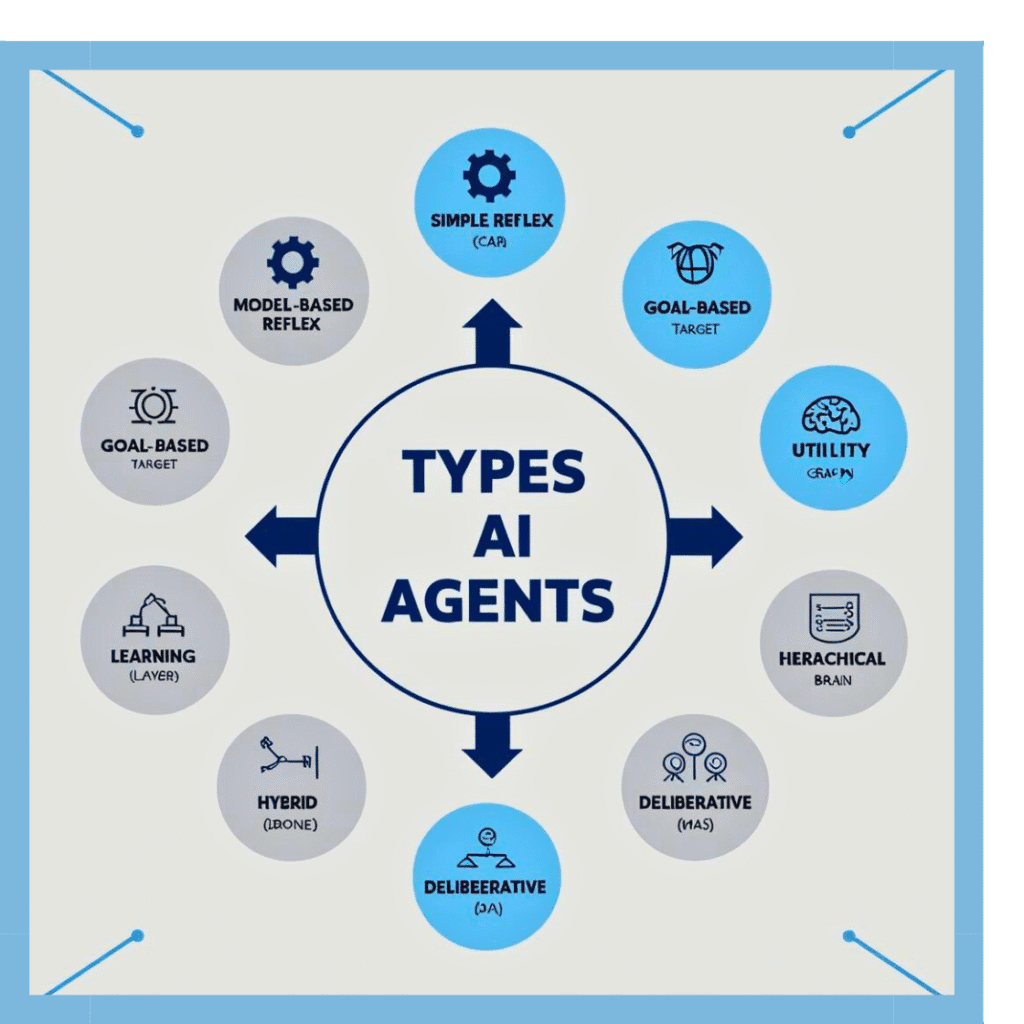
AI agents represent software programs which use AI for performing tasks autonomously or semi-autonomously. Such agents have the ability to process significant quantities of information, generate intelligent choices, as well as engage with clients, frequently mimicking person-like interactions. Utilizing employing ML, NLP, and multiple artificial intelligence technologies, they strive to enhance efficiency in different sectors, including health services, finance, as well as customer service.
The primary function of AI agents involves automating the automation of regular functions that would otherwise require human oversight. This encompasses everything from responding to client questions as well as organizing calendars along with assessing patient health data. As grow more and more capable, they are able to manage more intricate functions and boost complete efficiency of workflows, minimizing time dedicated in routine functions and permitting human workers to direct their efforts towards higher-level tasks.
Additionally, these agents are equipped for learning through the interactions they have and constantly enhance their effectiveness. This learning proficiency allows the agents to deliver more personalized experiences while also render better decisions over time. As businesses integrate artificial intelligence agents, they are able to enhance productivity while also create value through methods that were previously unattainable, creating pathways for more intelligent and efficient processes.
Artificial Intelligence Bots in Business Use Cases
Artificial Intelligence bots are becoming crucial instruments in diverse corporate use cases, providing enhancements in productivity and automation. Ranging from optimizing client support processes to enhancing marketing initiatives, these intelligent solutions are engineered to handle mundane activities, liberating precious staff resources for more critical initiatives. Find more information to process vast amounts of data rapidly allows businesses to react proactively to industry trends and client needs, improving overall responsiveness and agility.
In selling, Artificial Intelligence bots considerably enhance productivity by automating routine processes like prospect development and follow-ups. They can analyze customer interactions and identify potential leads, ensuring that sales personnel focus their attention on high-value clients. Furthermore, Artificial Intelligence agents can provide tailored customer experiences based on previous data, leading to enhanced interaction and conversion rates. This transformation assists businesses in securing deals more efficiently and enhancing the customer experience.
The integration of Artificial Intelligence bots into project management is also revolutionary. These agents can enable more intelligent group work by streamlining task allocation, monitoring task progress, and managing interactions among staff. Moreover, they can spot bottlenecks in workflows and suggest solutions, encouraging a further effective operating setting. As businesses increasingly adopt AI agents, they find that these tools not only enhance operational efficiency but also stimulate creativity and growth across various sectors.
Upcoming Developments and Considerations
As artificial intelligence agents continue to evolve, their inclusion into healthcare systems is expected to deepen substantially. Breakthroughs such as cutting-edge natural language processing and machine learning algorithms will allow AI agents to decipher complex health information and assist medical practitioners in making smarter choices. This enhanced capability can lead to better diagnosis, personalized treatment plans, and enhanced patient outcomes, making medical service more efficient and responsive.
Additionally, the ethical implications of AI agents in medicine will come under increasing scrutiny. Ensuring patient privacy and the security of information will be critical as AI agents process sensitive health information. Regulatory frameworks and guidelines must be created to govern the use of AI agents, balancing advancement with the need to protect patient rights and ensure top-notch care.
Finally, the future will likely see a surge in cooperative AI systems in healthcare, where various AI agents work together alongside human practitioners. This multi-agent approach could facilitate more comprehensive patient care by exploiting the benefits of different AI solutions. As healthcare organizations begin to adopt these systems, persistent training and adjustment will be vital to tackle common challenges and fully realize the potential of AI agents in improving patient care.