

When the warm heat approaches, the significance of a reliable air conditioning unit cannot be overstated. With https://notes.medien.rwth-aachen.de/_dg8QMSvQ26FX5xLwHvcuQ/ rising, keeping your home is chill and comfortable becomes a top priority. If you're looking to install a newly purchased system or replace an outdated one, understanding the ins and outs of air conditioning setup is crucial for obtaining optimal performance and efficiency.
Through this comprehensive guide, we'll guide you throughout everything you should to know about air conditioning installation. From recognizing the signs that it's necessary for a new system to advice on choosing the perfect model for your space, we have you encompassed. You’ll learn what to expect during the installation process, the benefits of hiring professionals, and even how to avoid common mistakes. Ultimately, you’ll be equipped to make informed decisions, ensuring your home remains refreshing all summer long.
Comprehending AC Installation
The installation of air conditioning is a vital process that entails establishing a system created to cool and dehumidify interior environments. It begins with evaluating your house's individual needs, including the size of the space, insulation, and existing ductwork if relevant. Choosing the right system—whether central air or a ductless unit—is based on various factors such as efficiency, price, and your house's layout. Understanding these considerations can help guarantee that you select the best air conditioning solution for your convenience needs.
Once you have chosen the appropriate air conditioning unit, the installation procedure starts with planning. This involves assessing the installation site, preparing the required ventilation system if central air is chosen, and making sure that wiring meet safety standards. Proper preparation is important, as it lays the groundwork for an efficient and effective setup. Property owners should also be aware of how their selection of unit may influence energy efficiency and costs.
After the setup, homeowners can look forward to a thorough demonstration from the professionals to understand about using the new unit and any required maintenance. This is also the time to ask questions about the air conditioning system, including information on smart temperature controls that can enhance energy savings. Grasping the installation process not only leads to a more seamless installation but also empowers homeowners to maximize the benefits of their new air conditioning systems.
Selecting the Right Air Conditioning System for Your Home
Choosing the best air conditioning system for the home is essential to ensure comfort and energy efficiency. First, think about the size of the living space. An overlarge unit can lead to frequent cycling, which wastes energy and can cause humidity issues, while an undersized unit may struggle to cool the home adequately. Employing a professional to perform a load calculation can assist you determine the appropriate capacity for your needs, ensuring optimal performance without unnecessary energy costs.
Next, assess the type of air conditioning system that matches your lifestyle and home structure. Central air conditioning is perfect for spacious homes with existing ductwork, providing consistent cooling throughout the space. On the other hand, ductless mini-split systems are excellent for homes without ducts or for specific cooling in particular rooms. They offer flexibility and efficiency, particularly in older homes where installing ductwork is not realistic. Reviewing your home's layout, existing infrastructure, and personal preferences will guide you towards the right choice.
Lastly, consider the energy efficiency of the systems you are looking at. Check the SEER ratings, which reflect the cooling output in relation to the energy consumption. Higher SEER ratings generally mean more efficient systems that can lower the utility bills. Additionally, look for features like smart thermostats and zoning capabilities, which enhance control over the cooling system and adapt to your family's needs. By taking these factors into account, you can opt for an air conditioning system that maximizes comfort while minimizing energy costs.
The Installation Process Outlined
This air conditioning installation procedure commences with a thorough assessment of your house and its cooling needs. A skilled technician will evaluate factors such as the dimensions of your residence, the floor plan, insulation quality, and present ductwork. This step is essential to establish the appropriate type and size of the air conditioning system, guaranteeing optimal efficiency and comfort. After the assessment is complete, you’ll receive suggestions tailored to your residence.
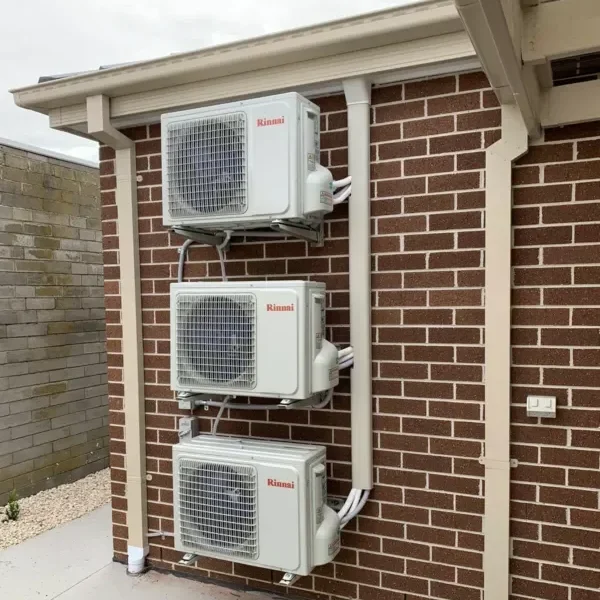
Once selecting the correct unit, the installation can begin. The technician will ready the site, which might entail taking out an old system, addressing ductwork, or upgrading insulation. Following this, the new air conditioning unit is set up, connecting all necessary components such as the indoor and outdoor units, refrigerant lines, electrical wiring, and the thermostat. Throughout this phase, it is important to adhere to local building codes and manufacturer guidelines to provide for safety and functionality.
At last, the installation finishes with a comprehensive check and system startup. The technician will diligently test the air conditioning system to confirm everything operates properly and efficiently. This entails checking refrigerant levels, verifying proper airflow, and demonstrating the features and controls to the customer. With everything in place, you can experience a nicely cooled home thanks to a certified air conditioning installation that meets your unique needs.