

When it comes to protecting your boat from the elements, selecting the appropriate boat cover is essential. No matter if you're a seasoned sailor or a weekend enthusiast, understanding the details of boat covers can spare you a lot of headaches in the long run. The perfect boat cover not only shields your vessel from severe weather elements but also preserves its value and appearance, allowing you to enjoy it for years to come.
In this detailed guide, we'll explore everything you need to know about selecting the right boat cover for any climate. Starting with the key reasons why every boat owner should put money in a good cover to tips on measuring your boat for the ideal fit, we will cover all the bases. We'll examine the different materials and styles available, discuss the necessity of UV protection, and showcase the best options for various weather conditions. Come along as we explore the world of boat covers and assist you in making wise choices for your cherished watercraft.
Essential Characteristics of Vessel Covers
When choosing a boat cover, the fabric is one of the key vital features to evaluate. https://boatcoverslancashire.co.uk/ -quality boat covers are typically made from strong fabrics such as marine-grade canvas or polyester, which provide superior resistance to the elements. These materials offer protection against sunlight, rain, and snow, ensuring your boat remains in top condition regardless of weather. Choosing a cover with proper breathability is also essential to prevent mold and mildew growth, which can be damaging to your vessel.
Another important feature is the fit of the boat cover. Regardless of whether opting for a tailored or universal cover, achieving the right fit is essential for optimal protection. A cover that is too loose can flap in the wind, causing wear and exposing your boat to the surroundings. Conversely, a snug fit prevents debris accumulation and water pooling, enhancing the cover's efficiency. Taking measurements of your boat accurately before buying ensures a precise fit, providing peace of mind while your boat is stored or transported.
Finally, consider additional features such as ventilation systems and reinforced seams. Ventilation helps reduce moisture buildup and allows air circulation, further protecting against mold and mildew. Reinforced seams contribute to the overall durability of the cover, especially in high-stress areas. Moreover, features like integrated storage bags, tie-down straps, and support poles can enhance functionality, making it more convenient to secure and maintain your cover. Putting money in these essential features will ultimately protect your investment for a long time to come.
### Choosing the Right Material
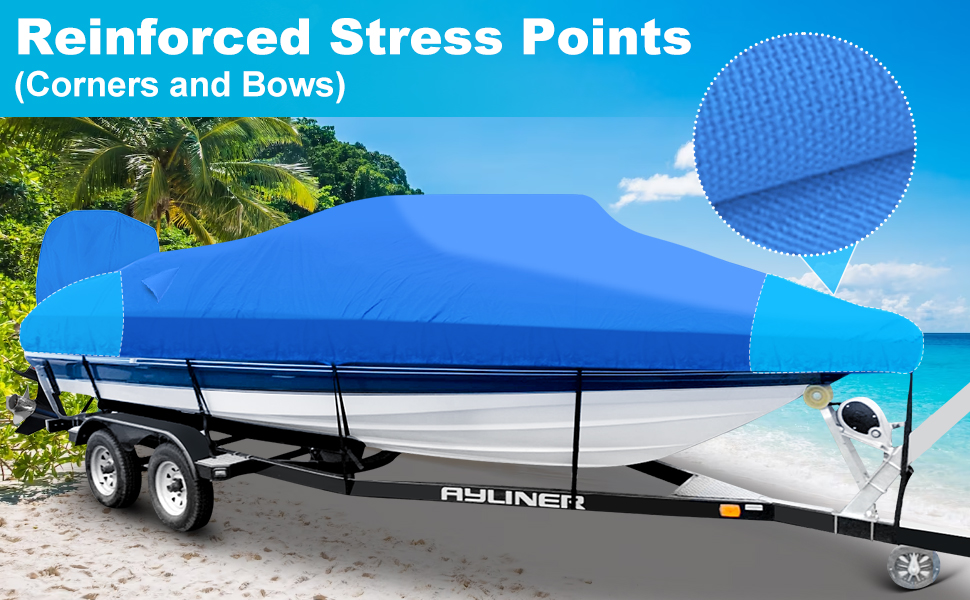
As you consider choosing a boat cover, the material is a vital consideration to keep in mind. Various materials offer different levels of safeguarding, durability, and weight, so you need to match your selection with your specific needs. Common options include cotton canvas, synthetic fabric, and PVC. Canvas is known for its strength and breathability, making it ideal for a range of climates, while polyester provides water resistance and is often easier to handle, which is advantageous for portability.
PVC is another popular choice due to its superior waterproof properties and durability. However, it may lack the breathability of other materials, which can lead to moisture buildup underneath the cover. When evaluating material options, consider what will best suit your environment. For example, if you reside in a wet region, a waterproof vinyl cover might be ideal, while those in sunny regions may prioritize UV protection and breathability.
Additionally, think about the intended use of the cover. If you plan to keep your boat for extended durations, a heavier, denser fabric may offer superior protection against the weather. Conversely, for a cover that will be regularly used, a more portable fabric could be more user-friendly. Considering these important aspects will help you make an educated choice that best protects your boat.
spintax ### Maintenance and Care Tips
To ensure the longevity of your boat cover, regular maintenance is essential. Start by washing the cover after each use to get rid of soot, particles, and any saltwater residue. Utilize a mild soap and warm water solution, and stay away from harsh chemicals that can degrade the fabric. Rinse thoroughly to prevent soap buildup, and allow the cover to dry completely before storage. These steps will help maintain the fabric’s integrity and prevent mold and mildew growth.
Equally important is storage when it comes to caring for your boat cover. If the cover is not being used, store the cover in a cool, dry place away from direct sunlight to prevent UV damage. Consider using a breathable bag or container to keep the cover safe from dust and pests. Proper storage stops creasing and offers an additional layer of protection against environmental factors that could lead to deterioration.
Lastly, examine your boat cover regularly for signs of wear and tear, such as fraying seams or small holes. Handle any minor damages promptly with appropriate repairs or patch kits to extend the life of the cover. Should the wear become significant or the cover shows signs of fading and loss of waterproofing, it might be time to think about a replacement. Regular care can profoundly impact the performance and longevity of your boat cover.