

In today’s world, effective communication is crucial for fostering meaningful connections and establishing relationships. For kids, notably those on the autism spectrum, cultivating communication skills can occasionally present particular challenges. This is where Applied Behavioral Analysis, or ABA therapy, plays a critical role. ABA therapy is a established approach that emphasizes behavior modification through structured techniques crafted to enhance learning and communication.
By utilizing personalized strategies and affirmative reinforcement, ABA therapy not only assists children with autism enhance their communication abilities but also arms them with essential life skills. Understanding how ABA therapy functions and its benefits can empower parents to make informed decisions about their child’s development. From premature intervention to individualized programs, ABA therapy promotes an environment where children can flourish and build meaningful connections with those around them.
Understanding Applied Behavior Analysis Therapy
Applied Behavior Analysis therapy is a evidence-based method designed to develop specific behaviors and skills in individuals, notably kids with autism. By using the use of strategies and principles rooted in behavioral psychology, ABA concentrates on understanding how behaviors are shaped by the surroundings and how they can be modified to promote positive outcomes. By observing and measuring conduct, therapists create individualized programs that seek to help children in building important social interaction skills, interpersonal skills, and life skills.
ABA therapy operates by applying strategies such as reward systems, where preferred behaviors are encouraged through positive feedback and reinforcers. This approach not only helps in reducing problematic behaviors but also enhances the desired skills through regular practice and feedback. With a systematic approach, ABA therapists assess a child's unique needs and create a tailored plan that promotes skill development, enhances learning, and strengthens self-esteem. This personalized attention permits changes based on the child’s advancement and challenges, making sure that therapy is beneficial and relevant to their development.
A critical component of ABA therapy is partnership between therapists, parents, and educators. Families are motivated to participate actively in the therapeutic process, which supports to strengthen learning and skill application in different settings, such as home and school. By building a robust partnership, ABA not just supports the immediate goals of therapy but additionally enables parents to continue reinforcing skills in their routine interactions. In summary, ABA intervention is an essential resource that offers kids with the resources they need to thrive in their relationship, interpersonal, and educational lives.
Benefits of ABA Therapy
Applied Behavior Analysis therapy offers many benefits, especially for children with autistic spectrum disorders. One of the key advantages is its emphasis on personalized treatment plans developed to each child's unique needs. By focusing on targeted skills and behaviors, children can progress at their own pace, receiving assistance designed to meet their personal challenges. This individualized approach allows for a more effective learning process, making it easier for kids to achieve meaningful goals.
A further significant benefit of ABA therapy is its potential to enhance communication skills. Through organized programs, children learn to express themselves more effectively, which can reduce frustration and improve relationships with others. As they gain self-assurance in their ability to communicate, kids often show gains in their relationships with friends and family members. This development not only fosters better communication but also encourages healthy social engagement, establishing the foundation for lasting bonds.
Additionally, ABA therapy serves to promote self-sufficiency among children. By focusing on daily living skills, children learn how to manage tasks on their own, which contributes to a feeling of accomplishment and confidence. This focus on independence prepares kids for education and later life, as they acquire the skills needed for personal management. Overall, the lasting benefits of ABA therapy are profound, fostering essential developmental growth and enhancing the quality of life for children and their loved ones.
Starting with ABA Therapy
Beginning ABA therapy for your child can seem overwhelming, but grasping the process can ease some of that anxiety. The first step typically involves an evaluation, where a certified therapist evaluates your child's specific needs, strengths, and areas for growth. This assessment is essential in developing a tailored treatment plan that meets your child's individual challenges and goals in communication and social engagement.
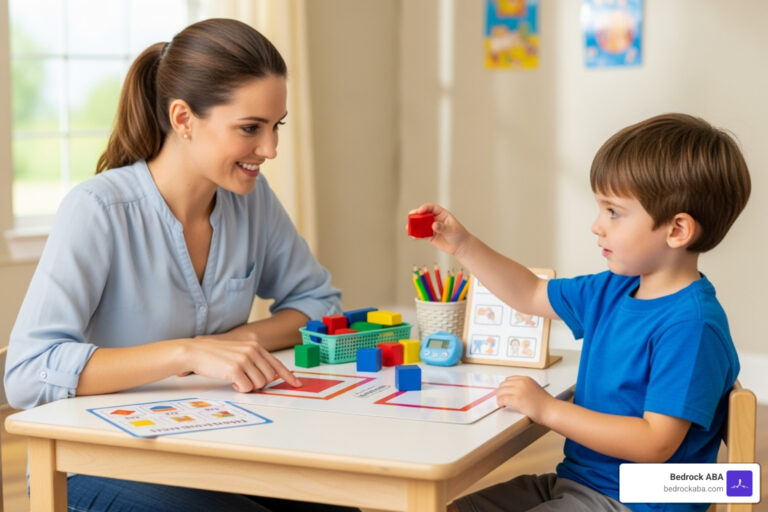
After the initial assessment, sessions will usually commence in a controlled environment, such as a center, residence, or educational setting. During these sessions, therapists implement various ABA techniques, including modeling, rehearsal, and reward strategies, to help your child build essential skills. in home aba therapy aurora can look forward to regular updates on their child's development and may be invited to engage in sessions, allowing for consistent reinforcement of skills at home.
Selecting the right ABA therapy provider is crucial for maximizing effectiveness. Look for providers with relevant qualifications, experience with the autism spectrum, and a commitment to personalized care. Don't hesitate to ask questions about their approach, the techniques they use, and how they track progress. Establishing a partnership with a experienced therapist will enhance the therapeutic experience and ensure your child receives the support they need for successful communication skill development.