

In the realm of building and real estate construction, precision is essential. Accurate assessments play a vital role in guaranteeing that projects are built on a strong foundation of precise data. These surveys provide thorough data and plans of pre-existing structures, helping architects, designers, and builders formulate plans that represent reality. Without them, projects can suffer from costly errors and delays, rendering it critical to recognize the significance of accurate assessments before embarking on any remodeling or construction project.
As we dive into the world of accurate surveys, we will examine what they entail, why they are vital for property owners and professionals alike, and how they can significantly streamline the planning and implementation of remodels or new builds. From understanding the nuances between measured assessments and traditional floor plans to discovering how advanced technologies like 3D laser scanning are transforming the field, this guide will arm you with the insight needed to navigate the complexities of accurate surveys effectively. Whether you are thinking about a home extension, a commercial property renovation, or simply seeking prevent frequent pitfalls, understanding measured surveys will allow you to make informed decisions that lead to favorable outcomes.
Grasping Quantified Surveys
Quantified evaluations are a vital aspect of architectural projects, delivering accurate data about existing structures or sites. These surveys involve the detailed measurement and charting of a property's measurements, features, and circumstances. They produce detailed representations, such as floor plans and three-dimensional models, which are essential for successful design, development, and carrying out of projects. By collecting exact measurements, quantified surveys help minimize risks and ensure that projects are based on dependable information.
The procedure of conducting a evaluated survey includes different methods, from classic tape measuring to advanced technologies like laser scanning. Every technique offers varied levels of precision and richness, allowing professionals to choose the most appropriate approach for their given needs. The resulting data fulfills various purposes, including assisting architects in developing designs that fit the existing space and enabling planners to assess compliance with building regulations and guidelines.
Furthermore, measured surveys play a crucial role in refurbishments, additions, and overhauls. Grasping the existing conditions of a site helps property holders and contractors take well-informed decisions about modifications and upgrades. With the insights gained from a measured survey, stakeholders can avoid costly mistakes, simplify their processes, and ultimately deliver projects that correspond with both visual and utilitarian objectives.
Advantages of Measured Surveys
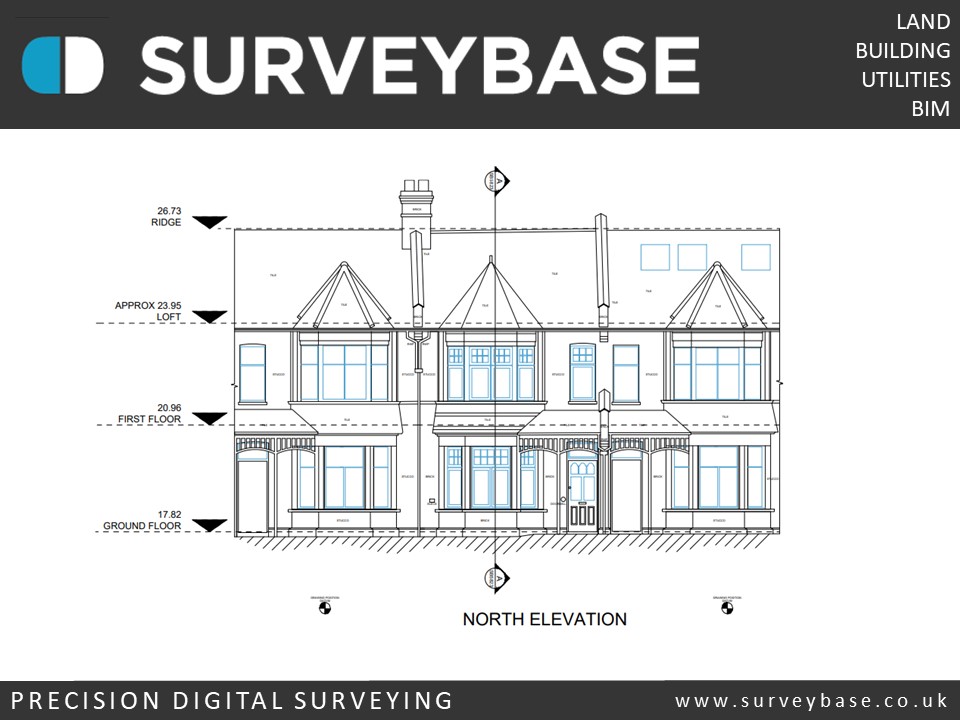
Measured surveys deliver a significant degree of exactness that is critical for any building project. The precision of measurements certifies that architects, technicians, and contractors can create and implement with confidence, lowering the risk of expensive errors that may arise due to discrepancies in dimensions. With dependable data, teams can work effectively, leading to improved project implementation.
A further important advantage of this type of surveying is their capability to reveal details about a property's current state. This is particularly advantageous for older properties where defects may not be visible or clear. By capturing these conditions properly, measured surveys aid in coordinating renovation and refurbishment plans with the true state of the structure, guaranteeing that renovation projects preserve its historical value while also fulfilling modern standards.
Alongside enhancing design and planning, measured surveys can also streamline the approval process for project proposals. With comprehensive and accurate survey data, property owners can offer well-founded proposals to government agencies. This can substantially help obtaining necessary permits and consents, making the entire development process smoother and less time-consuming.
Selecting the Right Survey Provider
Choosing a suitable provider to perform your measured survey is essential for guaranteeing precision and quality. In an ideal scenario, you should look for a business with established experience in undertaking measured surveys relevant to your needs, whether domestic, industrial, or for home upgrades. Explore their portfolio and reviews to evaluate their dependability and proficiency. Providers that have engaged on similar projects will have a better understanding of the unique obstacles and needs involved.
An additional important factor is the technology and techniques used by the survey company. Cutting- Homepage like laser scanning can provide enhanced accuracy and detailed measurements in contrast to standard survey methods. Inquire about the tools they employed and how it can serve your unique project. Additionally, evaluate their methodology to quality control and data verification to ensure that the final survey results will satisfy your expectations.
Lastly, interaction and customer service should not be ignored. Opt for a provider that prioritizes open dialogue and is willing to handle your questions and concerns throughout the duration. Open communication helps in establishing realistic deadlines and controlling expectations. A company that appreciates client care is more likely to deliver results that fulfill your project effectively.