

Heat pump systems are becoming an common choice for homeowners seeking to realize sustainable living and still sacrificing comfort. These flexible systems provide both warmth and cooling by transferring heat from the outside air or ground to your home, making them a resource-saving alternative to traditional HVAC systems. As the world shifts towards greener solutions, understanding heat pumps and their benefits is more important than ever.
In this article, we will delve into everything you should understand about heat pumps, from the way they function to the different categories available. We'll address common questions about efficiency, installation, maintenance, and the eco-friendly effects of heat pumps. Whether you're considering a brand new system or simply looking to improve your existing system, this thorough guide will provide the knowledge you require to make smart selections that benefit both the planet.
Grasping Heat Transfer Systems
These devices are modern systems that deliver both heating and temperature regulation for houses by transferring heat from one place to another. In contrast to traditional HVAC units that produce heat through combustion or electrical resistance, heat pumps move heat using a refrigeration cycle, making them an eco-friendly solution. They draw heat from the air or soil and can move it to the interior areas in winter, while in summer, they can reverse the process to chill the house by eliminating heat from inside. This two-in-one capability enables homeowners to maintain pleasant temperatures throughout the year.
Effectiveness is one of the primary advantages of heat pumps. They can produce two to four times greater energy in the form of heat than they consume in electricity, resulting in lower energy costs and a reduced environmental footprint. Heat pumps are also compatible with various energy options, such as renewable energy options, which enhances their sustainability. As worries around climate change grow, many are turning to heat pumps as a forward-thinking choice for home heating and cooling.
As heat pump technology advances, more residents are considering these units for their homes. The choices range from air source heat pumps, which are simpler and cheaper to implement, to geothermal heat pumps, known for their efficiency even in extreme weather situations. Comprehending the different types, their operation, and long-term advantages is crucial for making an educated decision about whether a heat pump is right for your dwelling.
Benefits of Heat Pumps
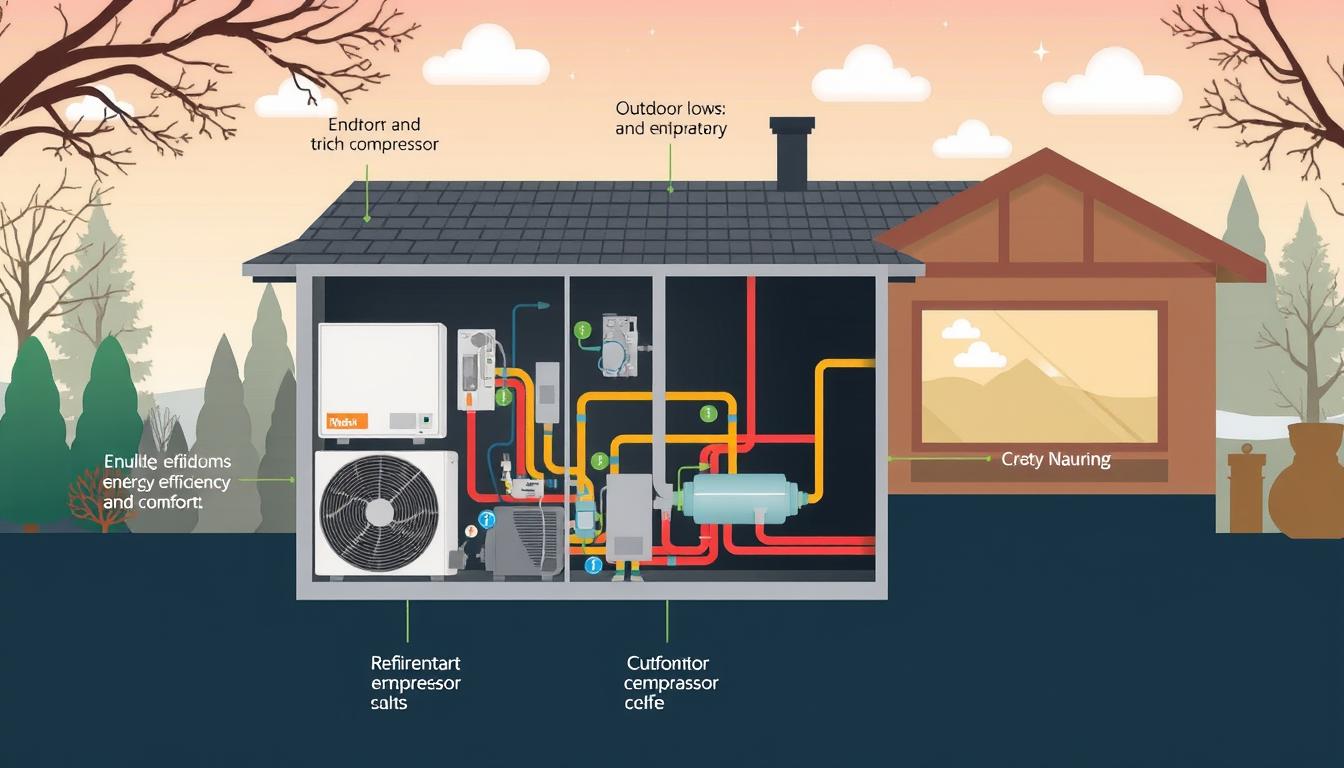
Heat pumps offer a wide range of advantages that make them an attractive choice for property owners looking to enhance their heating, ventilation, and air conditioning systems. One of the most crucial benefits is their energy efficiency. Compared to traditional heating and cooling units, heat pumps use lower electricity by shifting heat rather than producing it. This operational efficiency leads to diminished energy bills, providing long-term cost savings for property owners.
Another notable benefit of heat pumps is their versatility. They can provide both heating and chilling, making them a all-season solution for regulating indoor temperature. This dual functionality means that homeowners do not need distinct systems for cold months and hot months, simplifying both installation and care. Additionally, many heat pumps are designed to function in different climate conditions, ensuring coziness regardless of ambient temperatures.
Ultimately, heat pumps contribute positively to the environment. By lessening reliance on non-renewable energy sources for heating, they help decrease greenhouse gas emissions. Many heat pumps also are eligible for renewable energy incentives, such as refunds and tax credits, promoting green practices. Selecting a heat pump does not just improves private comfort but also supports efforts to combat climate change.
Installation and Maintenance Tips
When setting up a heat pump, consider engaging a qualified professional who has expertise with the particular kind of heat pump you are interested in. Proper setup is essential for maximum efficiency and functionality. Make sure to evaluate the size of your residence and select a system that suits your heating and cooling demands. It is also important to ensure that the location is free from blocks and has sufficient airflow to facilitate effective operation.
Regular maintenance is essential to extending the longevity of your system. Air Source Heat Pumps Yorkshire and maintenance to keep your unit running smoothly. During these service appointments, professionals will review refrigerant levels, sanitize the heat exchanger, and examine components for damage. Property owners can also perform simple tasks, such as consistently replacing or maintaining filters and ensuring outside units are free of clutter to improve ventilation.
Lastly, be aware of any indications showing that your heat pump may need repair or renewal. Unexpected increases in energy bills, strange noisiness, or inconsistent warming or cooling could suggest problems. Tackling these problems promptly can avert further damage and ensure your HVAC system remains effective. Being proactive about your system upkeep will help you benefit from its advantages for many years.