

As our planet continues to grapple against the issues of global warming and rising energy costs, solar panels have appeared as a beacon of hope for property owners and companies alike. Harnessing the sun's energy not only provides a dependable source of electricity but also offers a pathway toward a greener, more sustainable future. In this piece, we will investigate the latest advancements in solar panel technology, delve into how solar panels operate, and talk about the numerous benefits of adopting this renewable energy source.
Beginning with understanding the basics of solar panel installations to debunking common myths that deter potential users, we will lead you through everything you need to know about going solar. Whether you are a homeowner considering a solar energy system for your property, a business looking to enhance your profitability, or merely interested about the latest trends in renewable energy, this comprehensive resource will equip you with the knowledge to make informed decisions. Join us as we uncover the exciting future of solar panel technology and the transformative impact it can have on our lives and the planet.
Advantages of Solar Energy
Solar energy offers countless benefits that make it an desirable option for property owners and businesses alike. One of the key advantages is the reduction in power bills. By harnessing energy from the sun, solar panels allow users to produce their own power, which reduces dependence on the grid and cuts down on monthly energy costs. In some cases, residents can even produce excess energy, leading to savings on their energy bills through net metering. This financial advantage can lead to substantial savings over time, making solar energy a sensible investment.
Another key advantage is the beneficial environmental impact of switching to solar energy. Solar power is a clean, renewable energy source that significantly cuts down on greenhouse gas emissions compared to conventional fossil fuels. By using solar panels, individuals contribute to lowering their carbon footprint, helping fight climate change and advancing a more sustainable future. The transition towards solar energy also reduces water consumption related to electricity generation, which also benefiting surrounding ecosystems and communities.
Furthermore, the installation of solar panels can enhance property value. Homes equipped with solar energy systems are often seen as more attractive investments, as prospective buyers see the long-term savings and environmental benefits associated with solar power. Research shows that homes with solar panels command more than those without them. This boost in property value is a compelling reason for homeowners to consider adopting solar energy, reflecting a growing awareness of the significance of sustainable living in the property market.
Setup and Maintenance
Installing solar panels entails various critical steps to guarantee you capture the greatest energy from the sun effectively. The first step is performing a solar assessment of your home, which includes analyzing your energy needs, roof space, and sun exposure. It is important to choose a suitable solar panel system based on these factors. Homeowners can choose roof-mounted systems, which are more prevalent, or ground-mounted options if space allows. Engaging with a certified solar panel installer will make sure that the installation meets local codes and enhances energy production.
Once installed, maintaining solar panels is important to their longevity and efficiency. Solar Panels Pusey is important to remove debris, dust, and any snow or ice that may accumulate, especially in winter. Homeowners should also look for for any shading from trees or buildings that could impact performance. Most solar panels need minimal maintenance, but it's recommended to conduct periodic inspections and keep an eye on the inverter to check the system's performance and address any issues promptly.
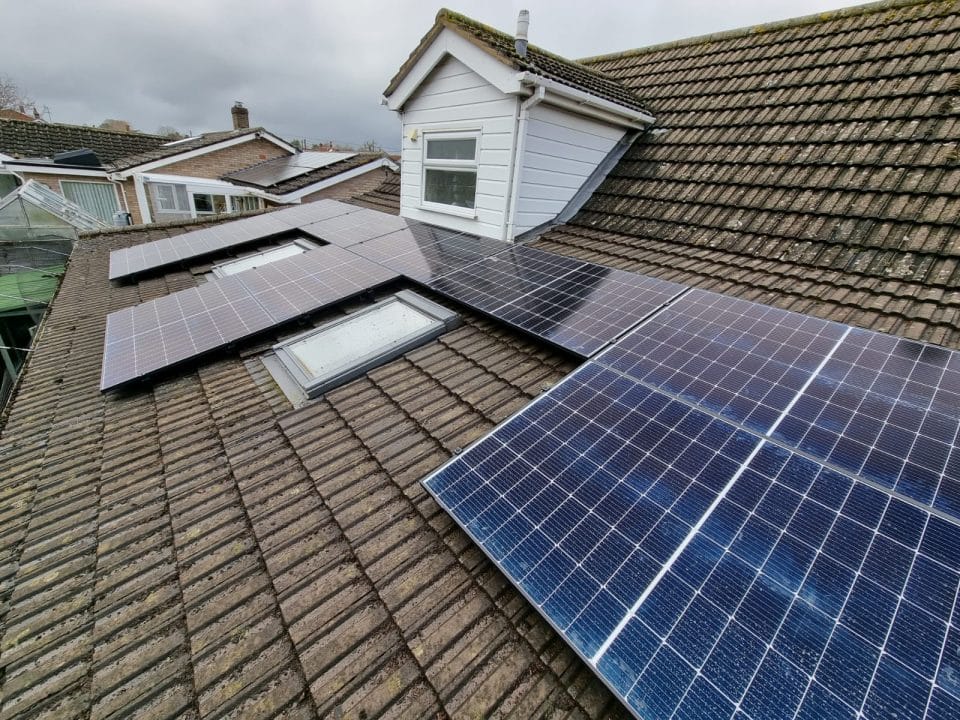
In addition to routine upkeep, understanding how to improve energy production can increase the overall benefits of your solar energy system. Homeowners should get acquainted with the best practices for energy consumption aligned with their solar output. This entails using energy-efficient appliances and possibly including battery storage solutions to capture excess power for use during non-sunny periods. By maintaining your solar panels and improving their performance, you can provide a reliable and cost-effective energy solution for years to come.
Financial Aspects and Economies
The financial aspect of putting in solar panels is a crucial issue for many homeowners. The upfront costs can be significant, but different tax credits and incentives can help reduce these costs. In the USA, for example, the federal solar tax credit can enable homeowners to subtract a considerable fraction of their solar installation costs from their federal taxes. Moreover, many states offer their own incentives, which also enhance the complete savings. Understanding these financial benefits is essential for arriving at an enlightened decision about going solar.
Investing in solar panels can bring about significant long-term savings on energy bills. On average, homeowners can save thousands of dollars over the duration of their solar systems. As electricity prices persistently climb, those savings become even more evident. In generating your own electricity, you can reduce dependence on the grid and enjoy more stable energy costs. A lot of people realize that the savings on their utility bills can compensate for the cost of the solar system within a few years, making it a financially sound investment.
Moreover, solar panels can enhance your property value. Multiple studies have shown that homes featuring solar energy systems command higher prices compared to non-solar homes. The appeal of lower energy costs and sustainable living strikes a chord with a lot of buyers in today’s market. Therefore, the installation of solar panels not only results in immediate financial savings through reduced utility bills but also provides a longer-term return on investment by enhancing property value.