

Land surveyors play a vital role in shaping the world around us, yet their work often go unnoticed until we discover ourselves engaged in a real estate transaction, construction project, or land dispute. With expertise rooted in science, math, and regulations, these experts provide important services that assist homeowners, developers, and municipalities similarly. From defining property boundaries to facilitating construction planning, surveyors ensure that projects are executed efficiently and accurately, avoiding costly errors and legal complications.
In today’s rapidly evolving landscape, the approaches and technologies applied by surveyors are changing the industry. With progress such as GPS and drone technology, the precision and efficiency of land surveys have reached remarkable heights, making it simpler than ever to gather critical information about our environment. If you are considering purchasing a new property or starting on a construction endeavor, understanding the role of a surveyor and the different types of surveys available can enable you to make wise decisions and navigate the complexities of land ownership with assurance.
Comprehending Property Surveys
Land surveys are a critical component of real estate ownership and development, providing crucial information about property boundaries, topographical features, and land demarcations. They entail measuring and charting the land area and its existing structures to create an exact depiction of a parcel. This representation is important for various purposes, including real estate deals, zoning requests, and construction projects. By defining precise limits, surveys help ensure that landowners know exactly what they own and can avoid disputes with adjacent landowners.
There are multiple types of land surveys, each tailored to different needs. Property boundary surveys determine the exact boundaries of a property, while contour surveys detail the contours and features of the land. Others, like ALTA surveys, are particularly useful for commercial transactions, as they incorporate particular criteria enforced by lenders and insurance providers. Knowing the type of survey needed for a particular situation is crucial for property owners to protect their assets and adhere with city ordinances.
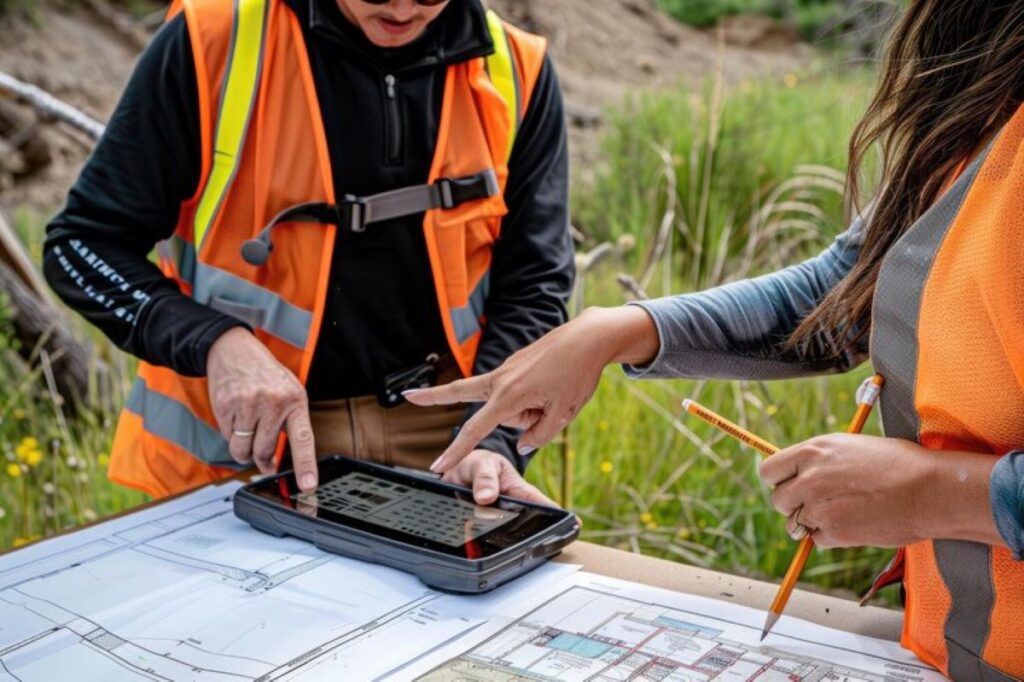
The surveying process begins with fieldwork, where surveyors use tools such as Global Positioning System and survey instruments to gather data about the land. Topographic Surveys Yorkshire is then processed and used to create comprehensive maps and reports. As technology evolves, the surveying profession is adjusting to incorporate innovations like aerial surveying and 3D laser scanning, which enhance precision and efficiency. Understanding the importance of precise land surveys can help property owners make well-informed choices and prevent expensive errors in property development and dealings.
The Role of Land Surveyors in Real Estate Deals
Surveyors play a crucial role in property deals by providing key data that informs purchasers and vendors about the parcel in consideration. They conduct comprehensive assessments of the property boundaries, property rights, and any potential intrusions that could affect ownership rights. This information is priceless, as it assists prevent disputes and ensures that both stakeholders are thoroughly knowledgeable of what is part of in the sale. For Topographical Surveys Yorkshire , understanding these details can be the distinction between a smooth transaction and prospective legal challenges down the line.
Before any real estate deal, it is advisable to conduct a comprehensive land evaluation. This procedure not only clarifies the exact boundaries of the land but also reveals any zoning regulations and restrictions that may affect upcoming projects. By having a clear understanding of these factors, clients can assuredly decide whether to move forward with the purchase or revise terms that align with their objectives. Certified property surveyors utilize modern technologies and recognized methodologies to deliver reliable survey findings, thus protecting both clients and sellers during this essential phase.
Additionally, surveyors enhance the significance of real property deals by ensuring adherence with local laws and rules. For business purchasers, specific surveys such as National Society of Professional Surveyors surveys become critical, as they provide comprehensive insights into ownership status, access rights, and other relevant legal factors. This level of thorough analysis not only mitigates risks but also adds a layer of confidence for lenders and creditors. Ultimately, the expertise of land surveyors creates a foundation for fruitful property transactions, building faith and understanding among all parties involved.
Choosing An Appropriate Surveyor for Your Needs
Selecting the right surveyor for your requirements is crucial to ensuring reliable results and avoiding potential disputes. Start by determining the particular type of survey you require, whether it’s a boundary survey, topographic survey, or an ALTA/NSPS survey. Every survey type has varied purposes and methodologies, so knowing your needs will help you in locating a qualified expert with the appropriate expertise. Look for surveyors who specialize in the type of surveying you need and boast a solid reputation in that area.
When assessing prospective surveyors, consider their qualifications and experience. Confirm their licenses and certifications to ensure they meet local and state regulations. Additionally, inquire about their experience with projects similar to yours. A surveyor with a demonstrated track record in residential, commercial, or rural properties, based on your focus, will likely provide better insights and results. Client testimonials and referrals can also give you a notion of their reliability and quality of work.
Finally, discuss fees and timelines upfront. The cost of a land survey can vary widely based on the scope and complexity of the project. Be specific about your budget and request a detailed estimate outlining all potential costs involved. Also, ask about the expected timeline for completion, as delays can impact your overall project schedule. Open communication about your expectations and concerns will aid establish a good working relationship and ensure that your surveying needs are fulfilled effectively.