

Within the complex realm of building and remodeling, grasping the importance of survey measurements can greatly influence the outcome of any project. Helpful site provide an accurate and detailed depiction of current structures, making certain that designers, contractors, and property owners have all the information they need to prepare successfully. In our exploration into the innovative approaches to survey measurements, we will explore not only what they are and why they are essential but also the advancements in tech, such as three-dimensional laser scanning, are revolutionizing the field.
Survey measurements serve as a critical resource for every participant involved in real estate development, renovations, or extensions. From ensuring compliance with planning regulations to reducing costly construction mistakes, the advantages are wide-ranging and significant. Whether you are a homeowner, an designer, or a developer, an accurate measured survey can provide the assurance you need to make informed choices. Join us as we take a closer look at the various aspects of survey measurements, including their uses, costs, and the critical role they play in the planning and building process.
Comprehending Measured Assessments
Measured evaluations constitute exact assessments of a building that document its sizes, attributes, and current states. Executed using various approaches, including tape measurements, 3D laser scanning, and three-dimensional modeling, these assessments offer an accurate depiction of a building’s design and can be crucial for architectural professionals, designers, and construction experts. By detailing everything from the heights of ceilings to the precise position of partitions and windows, measured assessments act as essential tools in the organization and carrying out of building and revitalization projects.
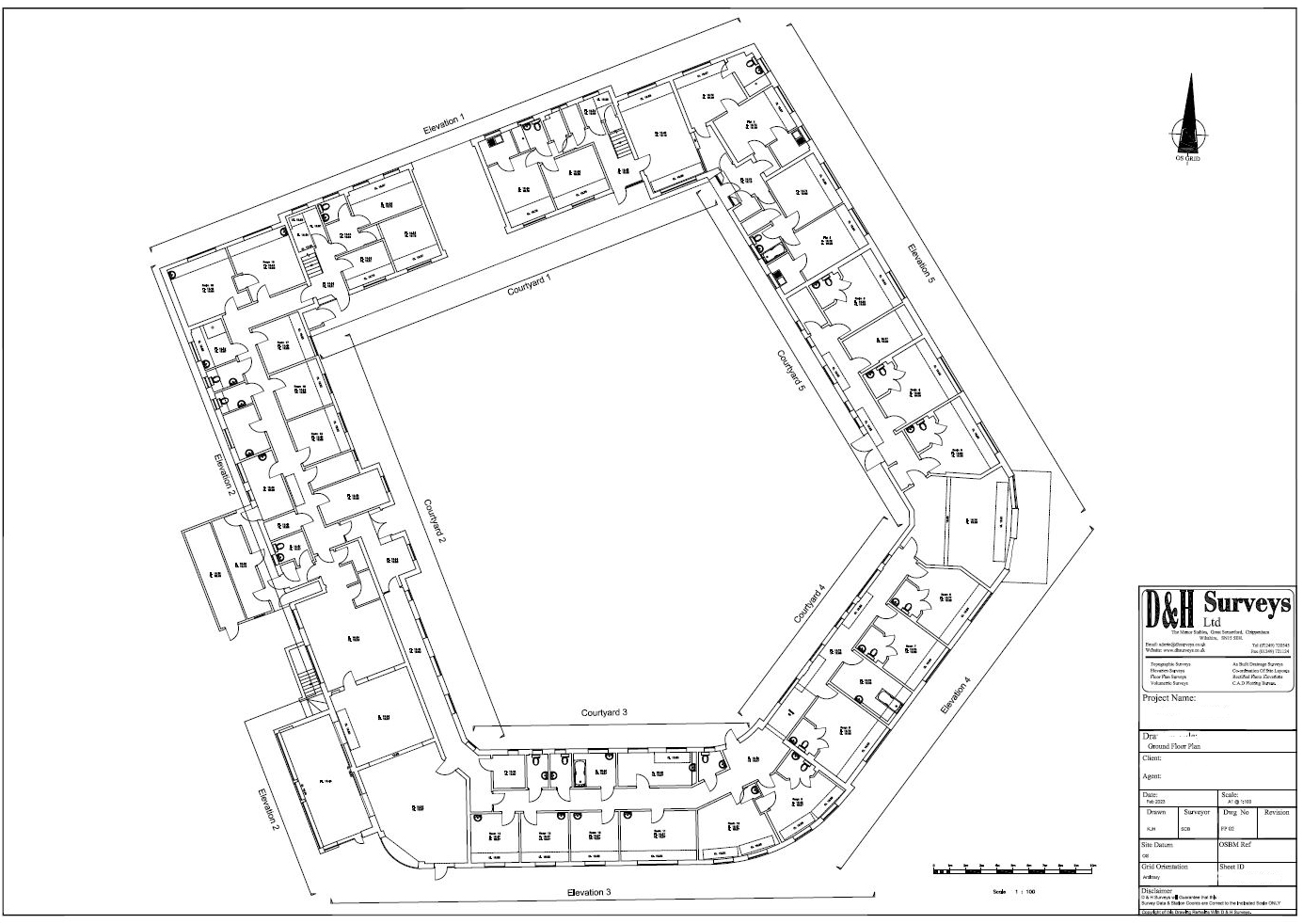
The objective of a documented evaluation is diverse. It not only aids in capturing the present state of a building for historical or remodeling purposes, but also aids in the design stage, guaranteeing that any suggested alterations are practical. Precise measurement is vital when engaging on historic structures or homes with elaborate layouts, where even minor inaccuracies can cause to major difficulties during development. Architects and contractors depend on these evaluations to reduce hazards and improve construction results.
In the context of property remodels, improvements, or industrial projects, a detailed evaluation becomes indispensable. It allows involved parties to conceptualize the whole of the space and recognize possibilities for improvement or reconfiguration. By presenting detailed details, measured surveys help in achieving building consents, cutting financial errors, and ultimately affording a smoother project execution. As the construction sector continues to evolve with technology, the significance of accurate evaluated evaluations has become even more visible, making them a key component in successful building undertakings.
Applications and Advantages
Measured surveys play a crucial role in different sectors, such as residential, commercial, and industrial projects. They provide essential data that informs the design and planning stages, guaranteeing that all stakeholders have a concise understanding of existing conditions. This clarity helps architects and designers create precise, functional spaces that fulfill the requirements of their clients while adhering to local regulations. For instance, measured surveys are indispensable when planning extensions or renovations, enabling property owners to visualize how additional elements will integrate with current structures.
In addition to to aiding in design, measured surveys offer important benefits in minimizing construction errors. By providing precise measurements and detailed layouts, these surveys help minimize discrepancies during the building process. This accuracy can lead to substantial cost savings, as it lowers the likelihood of pricey rework and material wastage. Furthermore, when developers foundation their projects on trustworthy measured data, they can assuredly move forward, knowing that their plans are anchored in accurate representations of prevailing structures.
Additionally, measured surveys facilitate effective project management. They simplify communication between architects, contractors, and property owners, ensuring that everyone is on the same page throughout the construction journey. As a result, projects tend to progress more easily, with fewer misunderstandings and delays. The incorporation of modern technology such as 3D laser scanning enhances the quality of measured surveys, making it easier for teams to create thorough digital models that improve collaboration and planning accuracy.
Choosing the Right Measurement Provider
Choosing the right service for your measured measurement is crucial to ensuring accurate results and a seamless process. Start by investigating companies with expertise in conducting specific surveys tailored for your type of project, whether household, business, or historical properties. Seek out providers that have excellent qualifications, favorable client feedback, and a collection displaying their past work. It is essential to verify if they are equipped with the most up-to-date equipment and technologies, including 3D laser scanning, which can improve the precision of your measurements.
Communication is another critical factor when selecting a survey provider. Interact with possible providers to discuss your requirements and gauge their responsiveness and ability to address your specific requirements. A reliable provider should be able to explain their assessment processes, respond to your inquiries clearly, and offer a timeline and pricing that align with your budget and expectations. This first contact can offer perspective into their professionalism and expertise.
In conclusion, evaluate the post-survey services that a provider provides. A thorough measured assessment should include not just the raw data, but also comprehensive documentation and CAD drawings that are simple to interpret and use for subsequent planning. Make sure that the provider can provide results in a format that meets your needs and offers support in analyzing the data. By carefully assessing these factors, you can choose a survey provider that matches with your objectives and ensures precise results, ultimately contributing to the success of your building or remodeling projects.