

Landscape design has transformed into a vibrant field that marries aesthetic beauty with functionality, crafting outdoor spaces that improve our living environments. As we advance, several trends are emerging that resonate with property owners, designers, and outdoor lovers alike. From eco-friendly practices to creative hardscaping, these trends are influencing the way we think about our yards, gardens, and external spaces.
Whether you have a large estate or a cozy urban yard, the ideas we explore will motivate you to convert your outdoor space into a stunning retreat. These trends not only showcase the changing tastes of property owners but also deal with practical concerns like sustainability, upkeep, and the integration of modern technologies. Join us as we explore the 10 essential trends that are poised to reshape landscape design in the years to come.
Best Garden Design Innovations to Follow
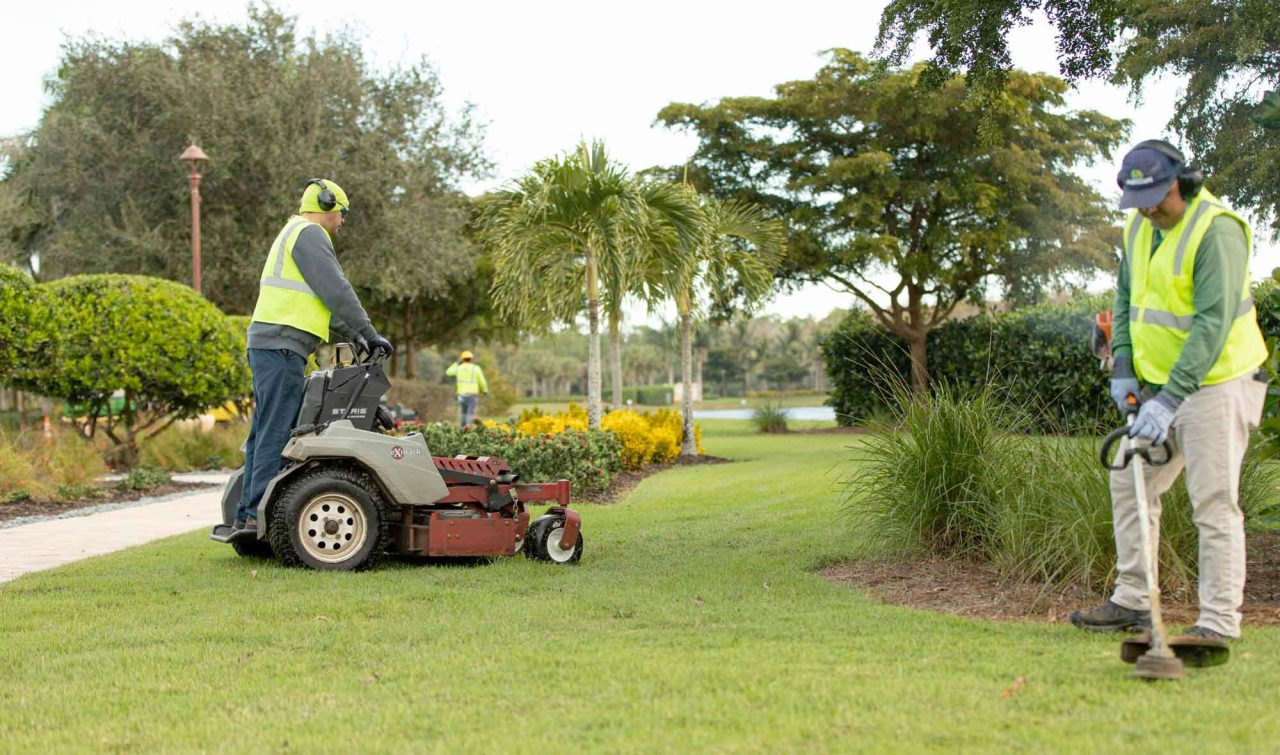
As we gaze to the horizon of landscape design, sustainability continues to be a leading trend. Eco-friendly practices are no longer just a choice; they are growing to be essential. Homeowners are increasingly choosing native plants that require less irrigation and care, thereby boosting local ecosystems. The focus on designing landscapes that both look attractive but also foster ecosystem diversity is transforming how we approach outdoor spaces.
An additional notable trend is the merging of al-fresco spaces that boost the utility of our outdoor areas. Many homeowners are looking to create areas that serve as prolongations of their homes. This includes features such as outdoor kitchens, bonfire setups, and comfortable seating areas designed for rest and fun. The drive for these multifunctional spaces is fueling advancement in design and construction, allowing homeowners to enjoy their landscapes all year long.
In addition, technology is having a transformative role in landscape design. Residents are utilizing landscape design apps and tools that streamline the development process, allowing for increased innovation and efficiency. From visualizing garden designs to managing irrigation systems, technology is simplifying to execute modern landscape solutions. As these tools advance, they are likely to make landscape design available to more people, encouraging more people to interact with their landscapes.
Key Tips for Stunning Outdoor Areas
Designing a beautiful outdoor space begins with a clear vision. Consider the style that best fits your home—whether modern or traditional—and how you want to employ the space. Incorporate features that connect with your lifestyle, such as cozy seating areas for relaxation, colorful flower beds for color, or functional pathways that direct visitors through your landscape. Grasping how these elements interact will help form a unified design that displays your preferences.
Low-maintenance landscaping is an essential aspect of creating a gorgeous outdoor area without the constant upkeep. Choose native plants that thrive in your climate and require less water and care. Include hardscaping features like patios or walkways that not only enhance functionality but also add aesthetic interest. These options can create a beautiful space that acts as a retreat free from overwhelming your routine with maintenance tasks.
Illumination is a vital element to elevate your outdoor design, changing your space from day to night. Utilize a combination of ambient, task, and accent lighting to highlight architectural features and landscaping elements. Well-placed Grounds Maintenance can establish focal points and enhance safety, allowing you to appreciate your outdoor area even after sunset. This thoughtful integration of light does not just add beauty but also increases the usability of your outdoor spaces year-round.
### Selecting the Ideal Components for Your Outdoor Space
Selecting the right elements for your landscape is crucial to creating a cohesive and visually appealing outdoor space. Start by considering the style of your home and the overall look you wish to achieve. Whether you lean towards modern minimalism or traditional charm, the elements you choose, including vegetation, hardscaping features, and outdoor structures, should align with your desired aesthetic. Incorporate a mix of materials and textures, such as stone, timber, and metal, to add depth and interest to your design.
Plant selection is another essential aspect of landscape design. Choose plants that match your climate and soil conditions while also fitting the style of your landscape. Indigenous flora are often a great choice, as they thrive in local conditions and support the local ecosystem. Additionally, consider seasonal changes—including a variety of plants that bloom at different times can ensure that your landscape remains vibrant and engaging throughout the year.
Finally, don’t underestimate the impact of lighting and ambiance in your landscape design. Strategically positioned lighting can highlight specific features, create a sense of warmth, and prolong the usability of your outdoor space into the evening hours. Whether you opt for string lights, illumination devices, or built-in lighting fixtures, the right elements will enhance the mood and functionality of your garden, making it an inviting retreat for relaxation and gatherings.