

In today's world, the problem of managing waste has grown increasingly critical than it has been previously. As our numbers persistently to increase and consumption patterns shift, the sheer volume of waste we create is reaching concerning levels. Effective waste management does not just promotes a cleaner environment but also serves a crucial role in sustainable practices, resource conservation, and public health. With a emphasis on innovative solutions and practices, we can turn waste management into an opportunity for positive change in our communities and businesses similarly.
This text aims to serve as a detailed guide for those interested to understand and refine waste management practices. We will explore the significance of responsible waste handling, common pitfalls to steer clear of, and numerous strategies that can be put into practice at home, in educational institutions, and inside businesses. From the essentials of recycling and composting to state-of-the-art technologies shaping the next phase of waste management, our exploration will showcase how all individual and organization can make a difference to a healthier world.
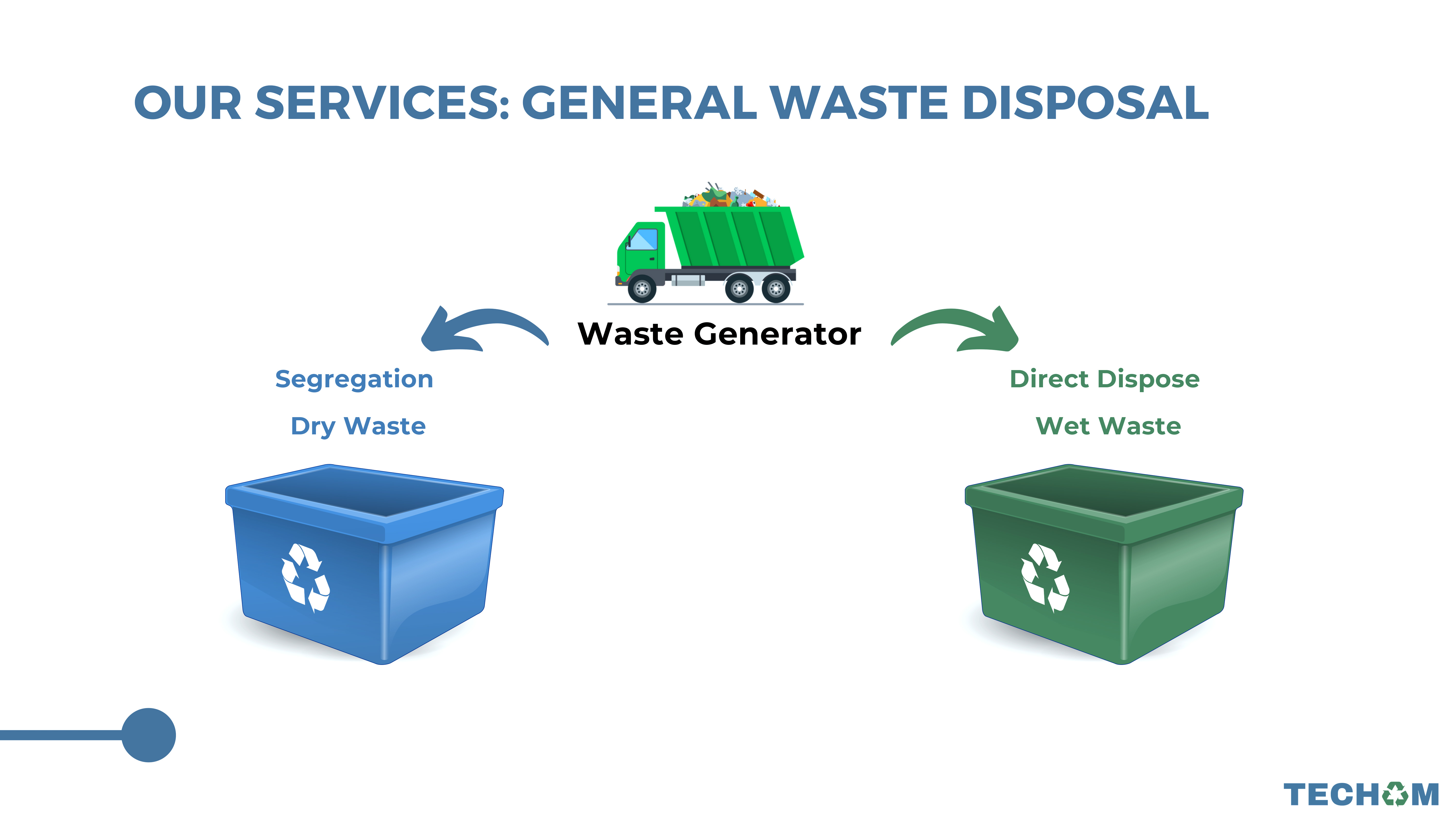
Importance of Efficient Garbage Disposal
Efficient garbage disposal is important for the dual ecological well-being and economic prosperity. With the growing levels of garbage generated by homes and businesses, adequate refuse management methods are necessary to reduce contamination and alleviate the burden on landfills. When garbage is not handled effectively, it can lead to soil, water, and air contamination, which poses considerable risks to public health and the environment. Implementing efficient waste management solutions aids to make certain that harmful substances are disposed of securely, fostering cleaner and healthier communities.
In addition, efficient waste management is a critical element in the sustainable development efforts of organizations. Organizations that implement holistic waste disposal strategies can considerably reduce costs by minimizing garbage generation and maximizing reuse possibilities. This not only boosts their bottom line but also improves their public image among sustainable consumers. As businesses face rising pressure to showcase CSR, a solid garbage management plan can be a distinctive factor in a competitive market.
In conclusion, the role of efficient garbage management extends beyond individual companies and communities to affect global environmental issues. By accepting sustainable garbage practices, communities can contribute in lowering greenhouse gas emissions, combat climate change, and move towards a sustainable system where materials are reused rather than discarded. This collective effort is essential for creating a sustainable future, making efficient refuse disposal not just a local issue but a worldwide necessity.
Innovative Waste Management Strategies
In recent years, creative waste management practices have arisen as crucial strategies for securing sustainability. One significant advancement is the adoption of technological advancements in waste sorting and recycling processes. Intelligent sorting systems utilizing artificial intelligence and machine learning can identify recyclable materials with elevated accuracy, thereby increasing recycling rates and reducing contamination. These technologies not only optimize waste processing but also promote a circular economy by ensuring that materials are repurposed efficiently.
Another innovative approach is the adoption of waste-to-energy conversion systems. These plants utilize advanced technologies to transform waste into usable energy, such as electricity or heat, substantially cutting the volume of waste sent to landfills. This practice plays a role to both waste reduction and energy generation, providing an eco-friendly alternative to standard waste disposal methods. Communities are acknowledging the dual benefits of managing waste sustainably and producing renewable energy sources.
Moreover, community-based initiatives aimed at local composting programs have gained traction. These programs promote residents to redirect organic materials from landfills, turning food scraps and yard waste into nutrient-rich compost. This not only reduces waste generation but also offers communities a cost-effective way to improve soil health for gardens and green spaces. By fostering a culture of composting, cities can encourage citizens to take an active role in waste management while supporting environmental stewardship.
Upcoming Trends in Waste Management
The prospects of waste management is more and more being molded by technological advancements and creative approaches. Wealth Management Padstow Cornwall utilizing Internet of Things (IoT) technology are being designed to streamline collection routes and track waste levels in the moment. This data-driven approach not only improve efficiency but also reducing operational costs and carbon emissions. As cities develop, these smart solutions will transform into crucial in managing urban waste more sustainably and effectively.
In addition, there is a greater emphasis on circular economy practices that focus on resource recovery and waste minimization. Businesses are acknowledging the importance of designing products with their end-of-life in mind, leading to an increase in the adoption of sustainable packaging and materials. This transition is not only for the environment and also offers opportunities for companies to innovate and meet rising consumer demand for eco-friendly practices. Training programs on waste reduction and the importance of recycling will further support this trend.
Furthermore, policy changes are anticipated to have a crucial role in shaping waste management strategies. Governments around the world are implementing more stringent regulations to reduce landfill use and promote recycling initiatives. These regulations encourage businesses to adopt more sustainable practices, such as comprehensive waste audits and the development of effective waste reduction plans. As public awareness increases regarding the environmental impacts of poor waste management, businesses that proactively adapt to these trends will gain a competitive advantage and contribute to a more sustainable future.