

When it involves purchasing a vehicle, a lot of buyers are opting for pre-owned vehicles as a cost-effective alternative to brand new cars. With the appropriate choice, a used car can offer great value, combining reliability with affordability. In 2026, the market for used cars is still flourishing, providing an variety of selections that suit different requirements and preferences. Whether you're a new driver or someone looking to secure a reliable vehicle for your household, the selections available are noteworthy.
Exploring the used car market can be intimidating, but with the best insights and guidance, you can make an informed decision. From comprehending Used Car Dealership Worcester and depreciation to knowing how to negotiate the best price, preparing yourself with knowledge is essential. In this article, we will showcase the best five used cars that not only deliver outstanding value but also stand out for their reliability and efficiency, ensuring you make a smart investment.
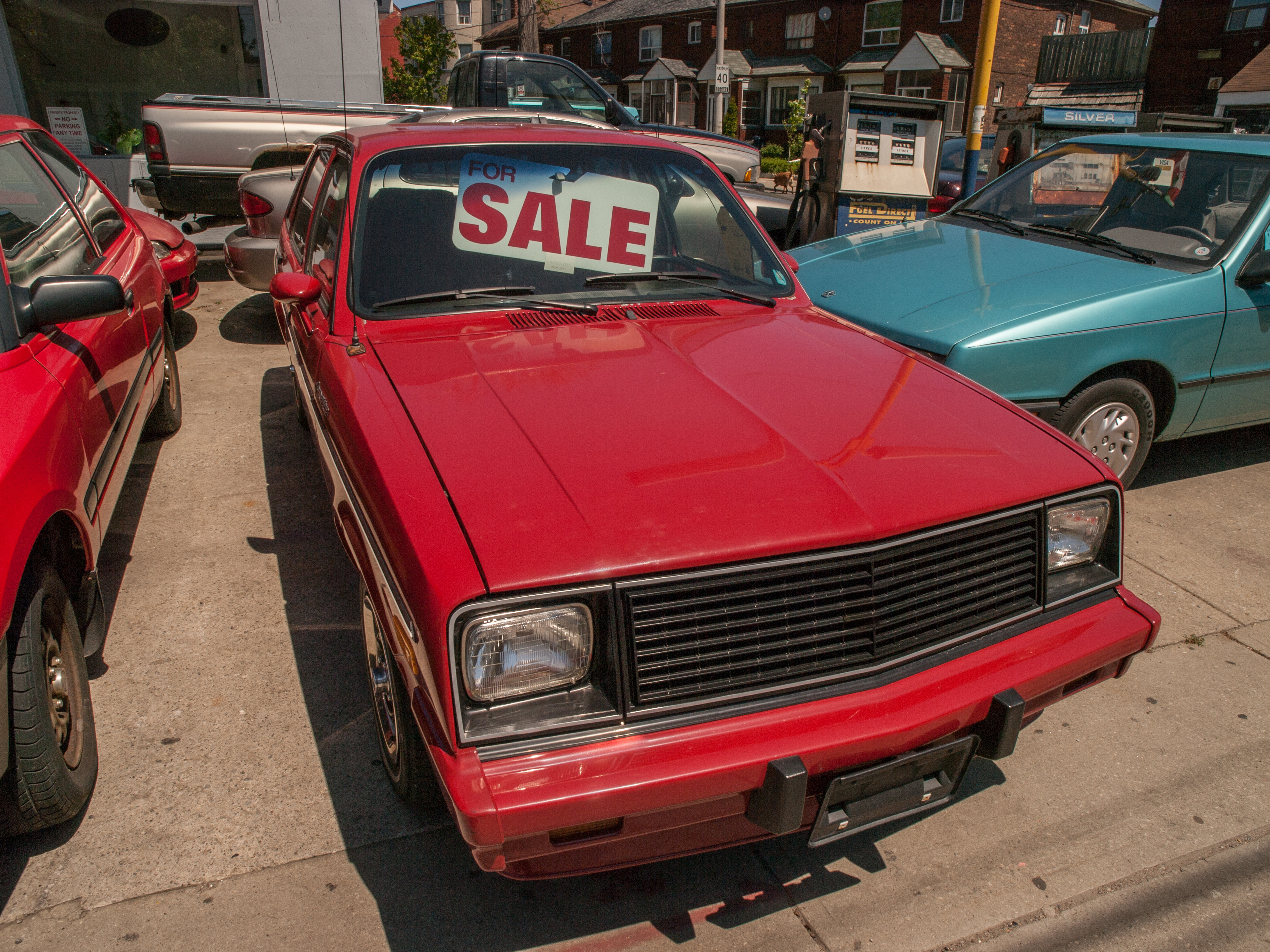
Best Tips for Buying Pre-owned Cars
When you're in the market for a used car, it's crucial to do your research. Start by setting a financial plan that includes not only the purchase price but also insurance, maintenance, and fuel costs. Get to know yourself with various brands and models that fit inside your budget and needs. Research feedback and trustworthiness scores of these vehicles to ensure you choose a car that has a positive track history. Knowing what you want ahead of time will help you avoid impulse purchases.
Once you have a list of possible cars, it's important to inspect them carefully. When visiting a dealership or a individual seller, look for signs of damage, both interior and outside the vehicle. Request a vehicle history report, which can reveal essential information about former owners, accidents, and service history. If one is not confident in your ability to assess a car's condition, you might want to bringing along a clued-up friend or hiring a professional mechanic to evaluate the vehicle before making a decision.
Finally, don't underestimate the power of bargaining. Use the details you've collected about the car's condition and price range to discuss a just price. Be ready to walk away if the deal doesn’t meet your requirements. Remember, there are many options out there, and taking your moments to find the right car at the appropriate price will pay off in the long term.
How to Examine and Judge Used Cars
When checking a used car, start with a comprehensive visual check-up. Look for signs of rust, dents, or discrepant paint, which can hint at past repairs or accidents. Pay attention to the quality of the tires and brakes, as these components can reflect how well the car has been maintained. Also, look over the interior for wear and tear, confirming that all features, such as the air conditioning, lights, and electronics, are working properly. A properly cared for vehicle often demonstrates the care given by its previous owner.
Next, take the time to evaluate the car's performance during a test drive. Listen for odd noises and observe how the car drives at different speeds. Pay attention to how smoothly it accelerates and brakes, as well as how it feels around corners. During the drive, check the different driving modes and ensure that the transmission is shifting properly. This firsthand experience will give you a clearer understanding of the vehicle's overall condition and usability.
Finally, consider getting a vehicle history report. This report can disclose crucial information about the car’s past, including accidents, title issues, and maintenance records. It can help you detect potential red flags that may not be visible during your inspection. If available, a mechanic's inspection can provide an extra layer of assurance by uncovering hidden issues that could impact your decision. Overall, a careful evaluation process can help you make an educated choice when selecting a used car.
Financing and Negotiating Your Acquisition
When it comes to financing second-hand cars, you have numerous options available. Start by shopping around for the best interest rates, whether through financial institutions, or dealer financing. A prequalified loan can give you a better negotiating position at the dealership since you know your budget and can concentrate on the price of the car itself rather than being swayed by financing offers. Make sure to grasp the terms and monthly payments of any funding options so you are content with your choice.
Bargaining is a crucial part of purchasing used cars, and preparation is essential. Research the fair value of the vehicle you are interested in using resources like internet estimates and sales comparisons. This knowledge will empower you to make an knowledgeable offer. When discussing the price, start below your budget to leave room for negotiation, and be prepared to leave if the deal does not fulfill your demands. Keep in mind that the seller may also have some flexibility, so striking a balance that benefits both parties is often achievable.
Lastly, consider the exchange value of your old vehicle as a negotiation tool. If you're trading in, get an estimate beforehand to ensure you receive a fair amount. Sometimes, dealerships will seek to lowball your trade-in, so having reference points can help you advocate for a better deal. Always approach negotiations calmly and confidently, and don't hesitate to bring up questions or seek additional perks, such as guarantees or service packages, which can add value to your acquisition.