

As expands and transforms, the challenge of waste handling has never been so critical. From homes to big businesses, effective waste management plays a crucial role in maintaining a sustainable environment and supporting public health. With an ever-increasing amount of waste generated daily, businesses and individuals together are seeking creative solutions to minimize their footprint on the planet. Grasping the complexities of modern waste management is not only necessary for compliance with laws but also for cultivating a culture of sustainability that can benefit everyone.
In this thorough guide, we will examine the many facets of waste management, from the basics for beginners to sophisticated approaches for businesses looking to develop sustainable waste management plans. You'll learn about the importance of waste segregation, the environmental impact of poor waste practices, and the role of technology in changing how we manage our waste. Whether you are a homeowner looking to cut down on waste and conserve money or a company looking to build a ethical waste management system, this article will offer you with valuable insights and actionable tips. Together, we can uncover creative solutions that contribute to a more sustainable planet for future generations.
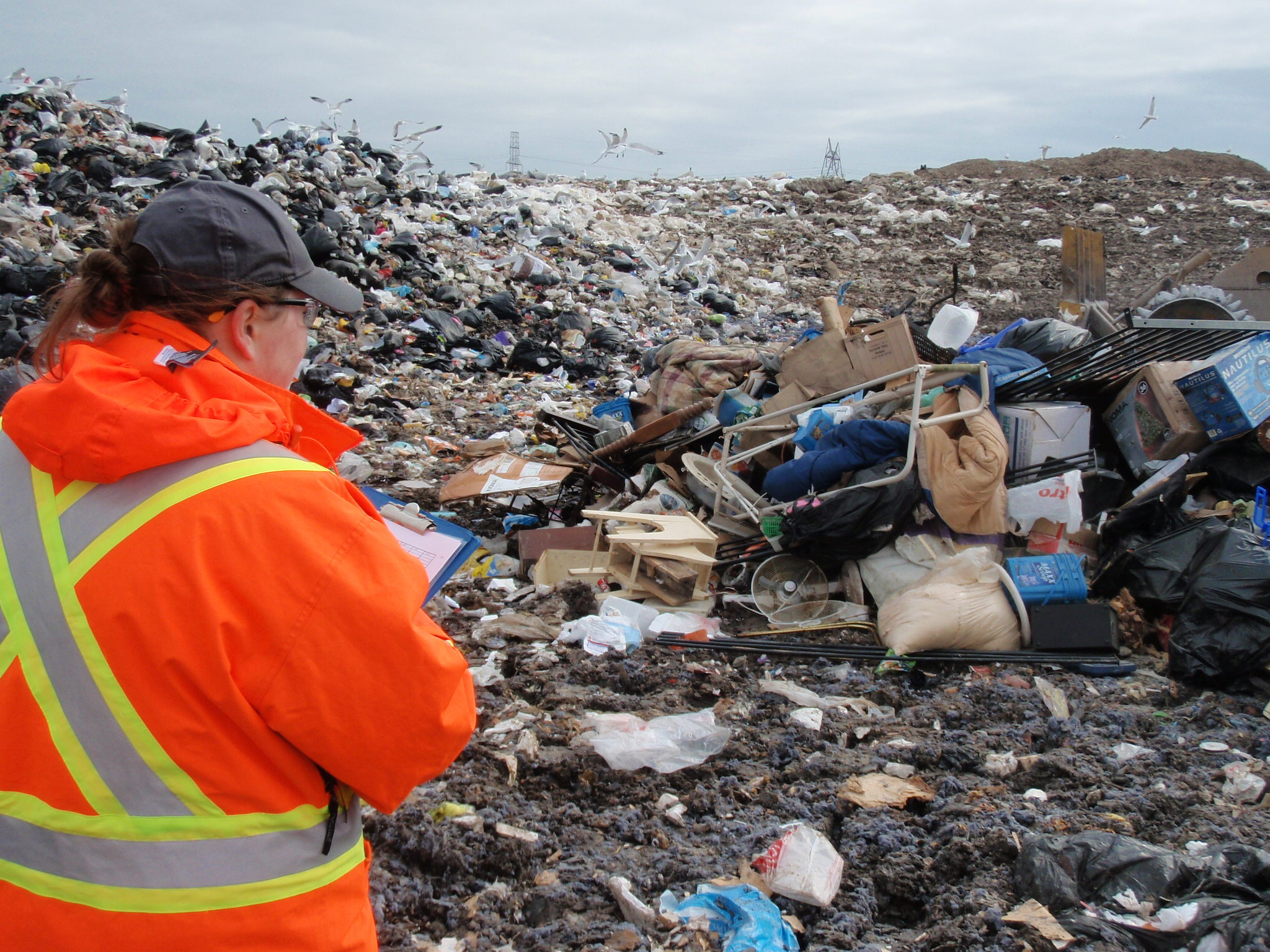
Significance of Proper Waste Management
Efficient waste management is crucial for maintaining a neat and safe environment. It aids stop pollution, lowers the risk of disease, and adds to the overall well-being of communities. By handling waste correctly, businesses and households can reduce the amount of waste transported to landfills and promote recycling and composting efforts that help the planet. A effectively carried out waste management approach not only enhances public health but also fosters a sense of community responsibility towards sustainability.
Moreover, effective waste management plays a crucial role in resource conservation. By guaranteeing that materials are repurposed and reprocessed, we can decrease the demand for new raw materials, which in turn diminishes the environmental impact linked with resource extraction and processing. This approach advocates the principles of a circular economy, where materials are kept in use for as long as feasible, thus lessening waste and encouraging sustainable practices. Businesses that adopt efficient waste management practices can also gain a competitive edge by speaking to environmentally sensitive consumers.
In conclusion, ineffective waste management can have severe economic consequences. The cost of litter cleanup, landfill maintenance, and public health issues rises when waste is not handled properly. Businesses could incur penalties and reputational damage if they do not to follow with waste regulations. By putting resources in proper waste management solutions, organizations can avoid these problems, save money in the long run, and positively impact the economy and the environment.
Creative Approaches for Waste Management Reduction
Adopting effective waste management strategies begins by embracing the principles of the closed-loop economy. Wealth Management Newquay Cornwall promotes organizations and individuals to find methods to repurpose materials, allowing them in use for a long duration. Companies can adopt practices like revamping old devices or using repurposed materials for new products. This not only lessens waste but also diminishes the demand for new raw materials, coinciding with sustainability goals. Additionally, creating partnerships with other businesses for shared resources can provide a network for reducing overall waste generation.
Another important strategy is the promotion of zero waste initiatives, which aim to eliminate waste totally. By developing products with their end-of-life in mind, companies can ensure that all materials are reusable. This involves working together with suppliers to source materials that can be fully reintegrated to the natural world or repurposed after consumption. For households, integrating zero waste habits such as buying in bulk, using recyclable containers, and avoiding single-use plastics can dramatically lower the volume of waste created.
Further, adopting technology into waste management practices can enhance waste reduction efforts. The original source monitoring systems provide businesses with insights on their waste generation patterns, allowing them to identify areas for improvement. This technological method not only streamlines the waste management process but also helps in educating employees and stakeholders about the significance of waste reduction. By combining cutting-edge approaches with technology, both individuals and businesses can make considerable strides towards a more green future.
Upcoming Directions in Garbage Disposal
As we shift towards a increasingly sustainable future, the implementation of advanced technologies will reshape waste management methods. Technological breakthroughs such as artificial intelligence and the connected devices are enabling more intelligent waste collection and sorting systems. These technologies allow for instant data analysis, optimizing routes for waste collection vehicles and adjusting to the forecast of waste generation. This change not only enhances operational efficiency but also lowers fuel consumption and greenhouse gas emissions.
Additionally, important trend is the growing acceptance of circular economy approaches. Organizations are recognizing the value of designing products that minimize waste and are simpler to recycle or recycle. This shift challenges the conventional linear model of "take, make, dispose." Organizations are investing in sustainable packaging and creating systems for product take-back schemes, which in consequently fosters consumer involvement and loyalty while contributing to resource conservation.
Moreover, the trend towards tighter waste management regulations will spur compliance and accountability across sectors. As governments implement more comprehensive policies focused on waste reduction and recycling, businesses will be required to upgrade their waste management plans. Educating employees on waste sorting, minimizing single-use materials, and performing waste audits will become practices. These regulatory updates are poised to not just improve waste management efficiency but also stimulate innovation in sustainable practices in society.