

As it relates to protecting your home, there are few spaces that are as critical yet often overlooked as basements. This underground space can be a valuable resource for storage and living space, but it can also become a liability if not properly managed. Moisture penetration can lead to damage to the structure, mold growth, and a host of health concerns, making waterproofing the basement essential for homeowners. Whether you live in a vintage property with a history of leaks or a modern build that seems secure, understanding the best practices for waterproofing your basement is crucial.
In this comprehensive guide, we will explore a variety of effective basement protection strategies. From identifying the warning signs that signal your basement needs immediate attention to making informed decisions about optimal waterproofing solutions, we’ve got you covered. We will also delve into how proper waterproofing not only safeguards your foundation but can also enhance your home's value and improve indoor air quality. Let's explore the key techniques that will help you waterproof your castle and keep your home environments dry and safe.
Basement Waterproofing Fundamentals
Cellar sealing is a critical aspect of home upkeep that ensures your living space remains dry and secure. It entails approaches and practices designed to stop water intrusion, which can lead to a range of problems, including fungal development, foundation issues, and reduced property worth. Choosing the right basement waterproofing method for your home is crucial, whether you are dealing with existing humidity issues or protecting a new build from potential water damage.
One of the primary causes of cellar leaks is inadequate drainage. Water can gather around the foundation due to heavy rainfall or snowmelt, leading to leakage through cracks and openings in the walls. Homeowners should be watchful for initial signs that their basement needs sealing, such as damp smells, apparent water marks, or peeling paint. Regular inspection and proactive measures, like putting in drainage solutions and sump pumps, can significantly lower the risk of water-related problems.
When evaluating cellar sealing, it's essential to know the distinctions between interior and external solutions. Interior sealing focuses on protecting the basement from the interior, often using obstructions or coatings, while external methods involve correcting drainage issues outside the foundation, such as grading and installing drainage trenches. Each approach has its benefits, and the optimal selection depends on the severity of the leak and the design of your home.
Comprehending Waterproofing Costs
When considering the waterproofing of a basement, it is essential to understand the costs involved. Multiple elements influence these costs, which include the size and status of your space, the selected waterproofing approach, and the extent of the damage that require to be repaired. Generally, homeowners can expect to pay ranging from a few hundred to multiple thousands USD, depending on their specific situation. It is also important to consider potential future savings from escaping further water problems, mold growth, and structural issues.
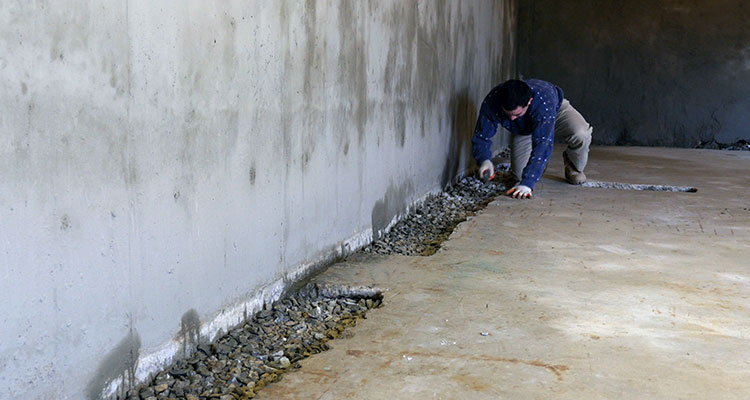
Different basement waterproofing methods come with diverse price ranges. Indoor options, like sealants and sump pump deployments, may be more affordable at first compared to exterior systems that require excavation and drainage setups. On the other hand, indoor solutions can sometimes be not as efficient for serious water issues. An awareness of these financials and the potential return on investment can help homeowners make knowledgeable decisions about the most suitable method for their situation.
In conclusion, when planning for waterproofing, consider additional costs that might arise. Hiring a professional contractor can mean extra expenses, but it also ensures the job is done properly. Homeowners should also consider possible repairs to any prior damage and ongoing maintenance fees. Overall, assessing these factors will provide a more comprehensive view of the monetary requirements needed for a effective basement waterproofing undertaking.
Avoiding Damage and Boosting Worth
Spending in basement waterproofing is essential for stopping issues that can lead to costly repairs down the line. A well-protected basement helps to prevent problems such as mold growth and building decay, which can seriously undermine the integrity of your home. Addressing humidity issues early on is important because even tiny leakages can develop into major concerns, causing serious deterioration to your foundation and overall structure. By actively waterproofing your basement, you not only shield your home but also ensure comfort for your family.
Enhancing the value of your home is another major benefit of basement waterproofing. Potential buyers often view a dry, well-maintained basement as a major asset, as it indicates that the property has been looked after. Moreover, Aluneed gives additional livable space, which can be converted into a living area, home office, or recreational space. This extra functional space can greatly boost your home's appeal and market value, making it a good decision for both current enjoyment and future resale.
Additionally, waterproofing your basement adds to superior indoor air conditions by eliminating moisture accumulation which can lead to spores and dampness. A dry environment is more favorable to well-being and can help cut down on allergens in the home. Improved air quality is a valuable characteristic for prospective buyers, making it even more important to ensure your basement is adequately waterproofed. Ultimately, a dry and properly cared-for basement improves your home’s resilience while reinforcing its market value, making it a crucial element of effective homeownership.